Griseofulvin

Griseofulvin

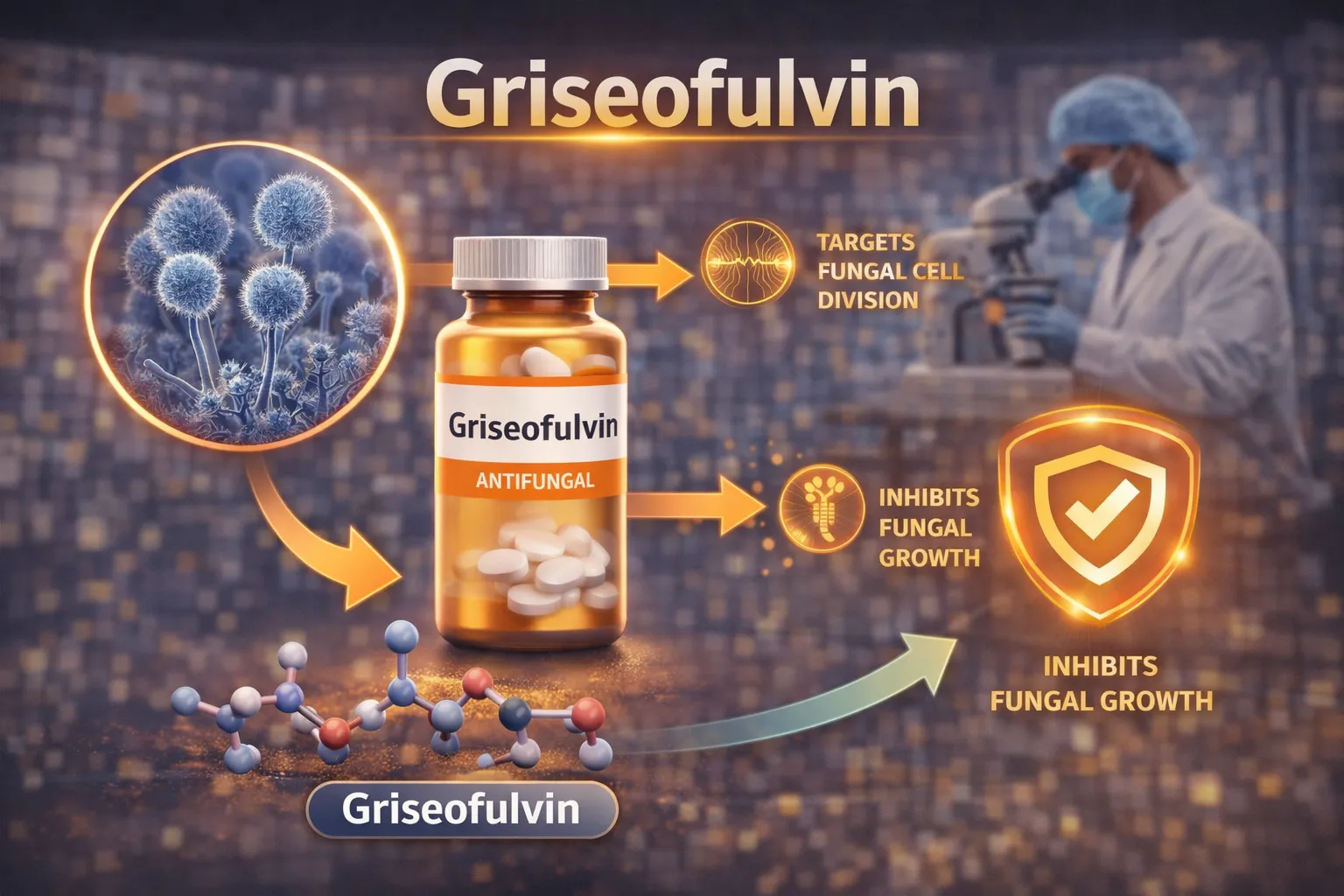
Chemical Structure / Formula of Griseofulvin Formula: C₁₇H₁₇ClO₆ Structure: A benzofuran derivative with a chlorinated ring system. Mechanism of Action Binds to fungal microtubules, inhibiting mitosis. Deposited in keratin-rich tissues (nails, skin, hair), preventing fungal growth. Uses of Griseofulvin Dermatophytic infections (tinea, ringworm, athlete’s foot, onychomycosis). Side Effects Hepatotoxicity, GI upset, photosensitivity. Induces CYP450 (drug … Read more
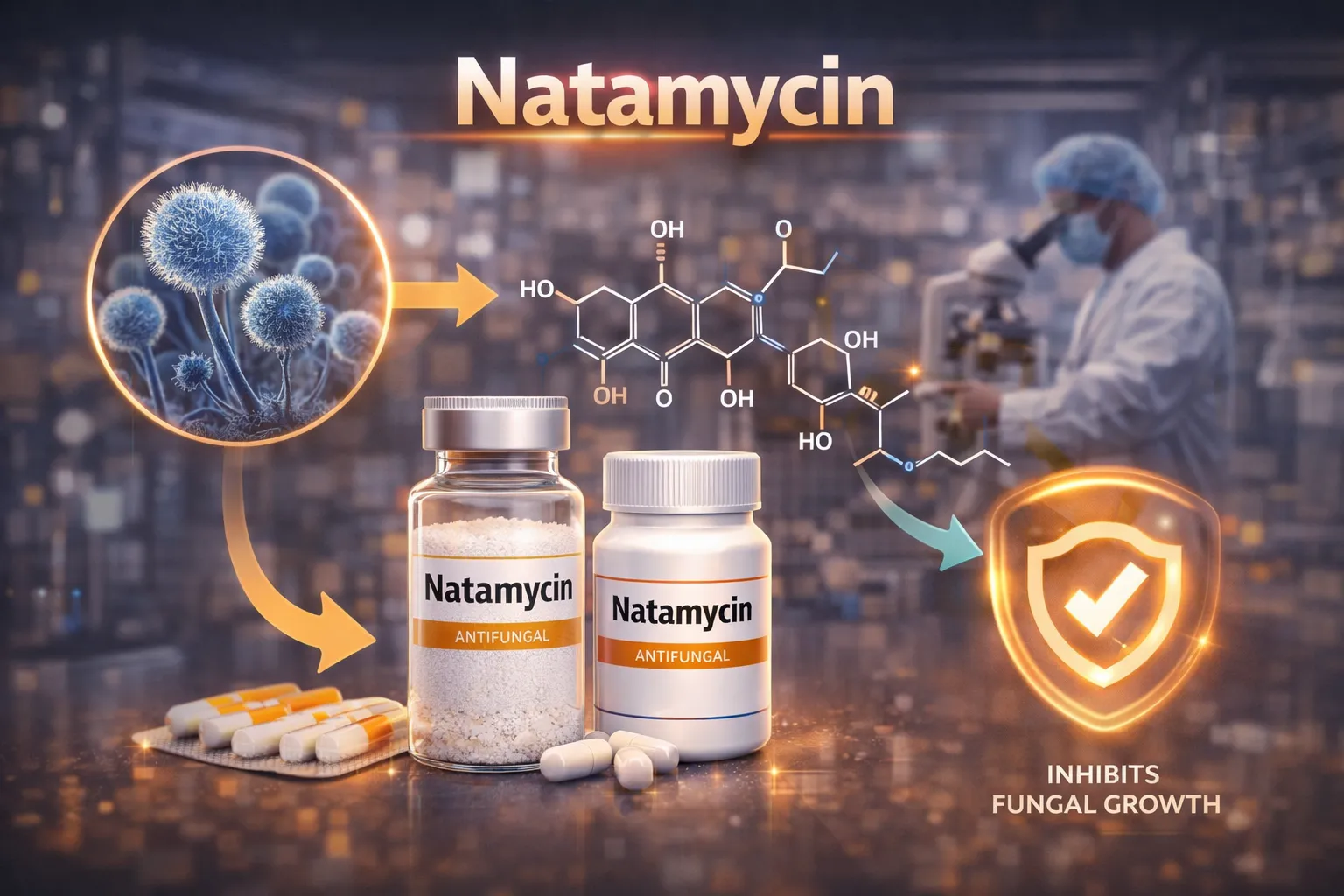
Natamycin

Natamycin

Chemical Structure / Formula of Natamycin Formula: C₃₃H₄₇NO₁₃ Structure: A polyene macrolide with tetrahydrofuran rings. Mechanism of Action Binds to ergosterol, altering fungal membrane permeability. Uses of Natamycin Ophthalmic antifungal (fungal keratitis, conjunctivitis). Side Effects Mild eye irritation, burning sensation.

Nystatin

Nystatin

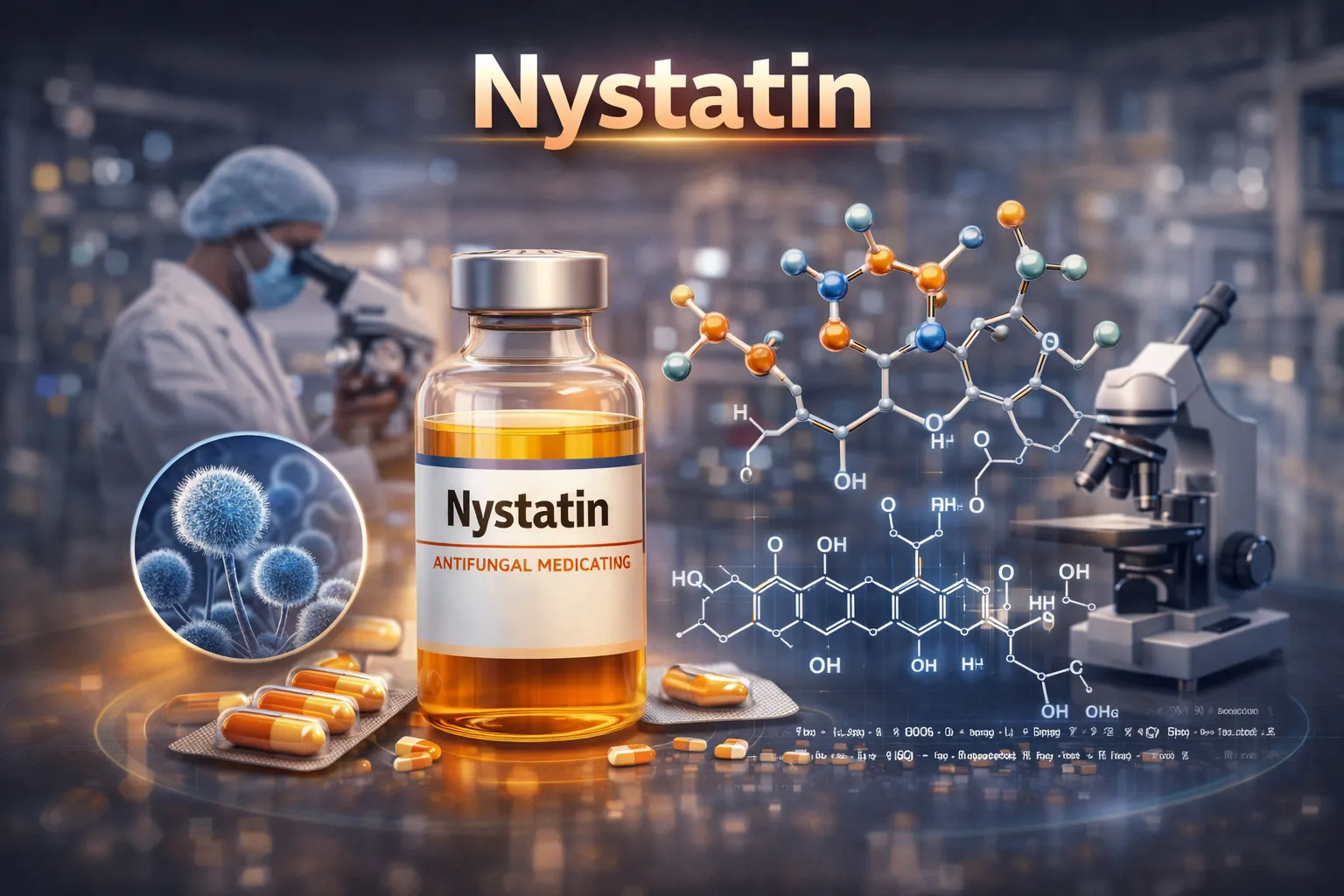
Chemical Structure / Formula of Nystatin Formula: C₄₇H₇₅NO₁₇ Structure: A polyene antifungal similar to Amphotericin B. Mechanism of Action Binds to ergosterol, disrupting fungal membrane integrity and causing leakage of ions. Uses of Nystatin Topical and oral candidiasis (thrush, diaper rash, vaginal yeast infections). Side Effects Minimal with topical use. GI upset with oral use … Read more

Amphotericin B

Amphotericin B

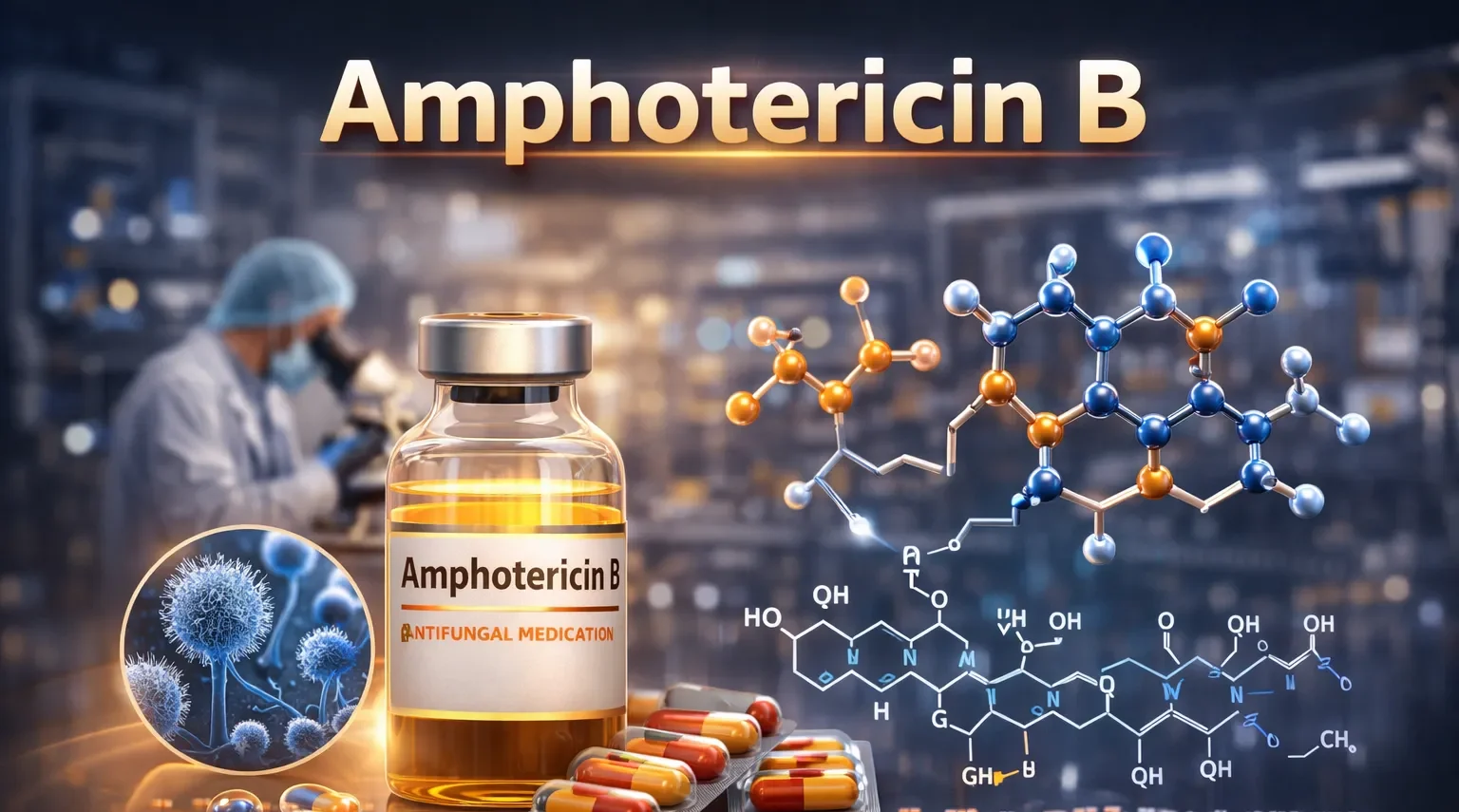
Chemical Structure / Formula of Amphotericin B Formula: C₄₇H₇₃NO₁₇ Structure: A polyene macrolide with a hydrophilic and hydrophobic region. Mechanism of Action Binds to ergosterol in fungal cell membranes, creating pores that lead to leakage of ions (K+, Mg2+), causing fungal cell death. Uses of Amphotericin B Systemic fungal infections: Aspergillosis, Histoplasmosis, Cryptococcosis, Mucormycosis. Candida … Read more

Antifungal Agents

Antifungal Agents

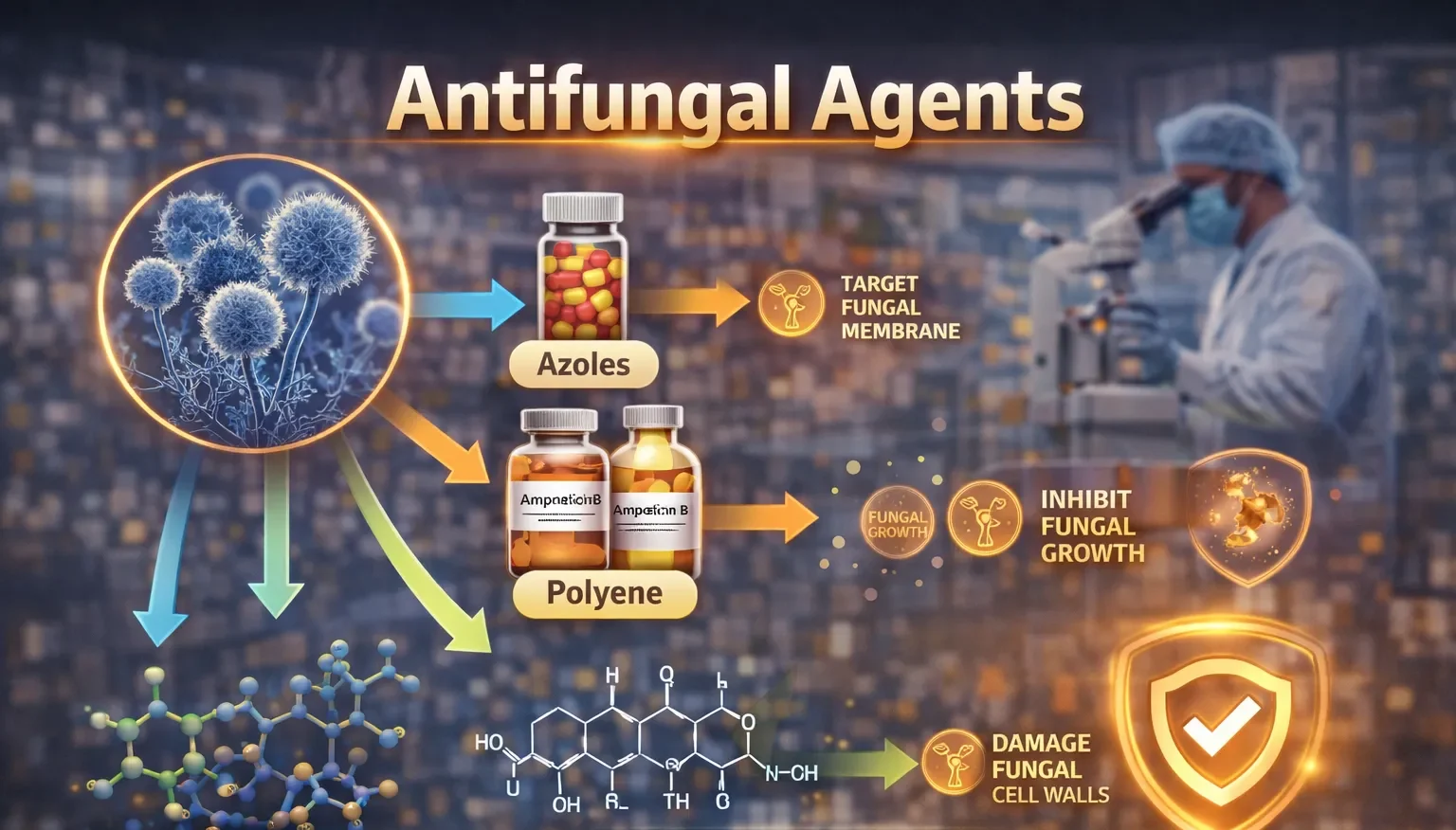
Antifungal agents treat fungal infections by targeting the cell wall, cell membrane, or intracellular components to inhibit fungal growth. Mechanisms of Action Cell Wall-Targeting Agents Inhibit beta-glucan synthesis, weakening the fungal cell wall. Examples: Echinocandins (caspofungin, anidulafungin). Cell Membrane-Targeting Agents Disrupt ergosterol synthesis, compromising membrane integrity. Examples: Azoles: Fluconazole, Itraconazole. Polyenes: Amphotericin B. Intracellular Component-Targeting … Read more

Ritonavir

Ritonavir

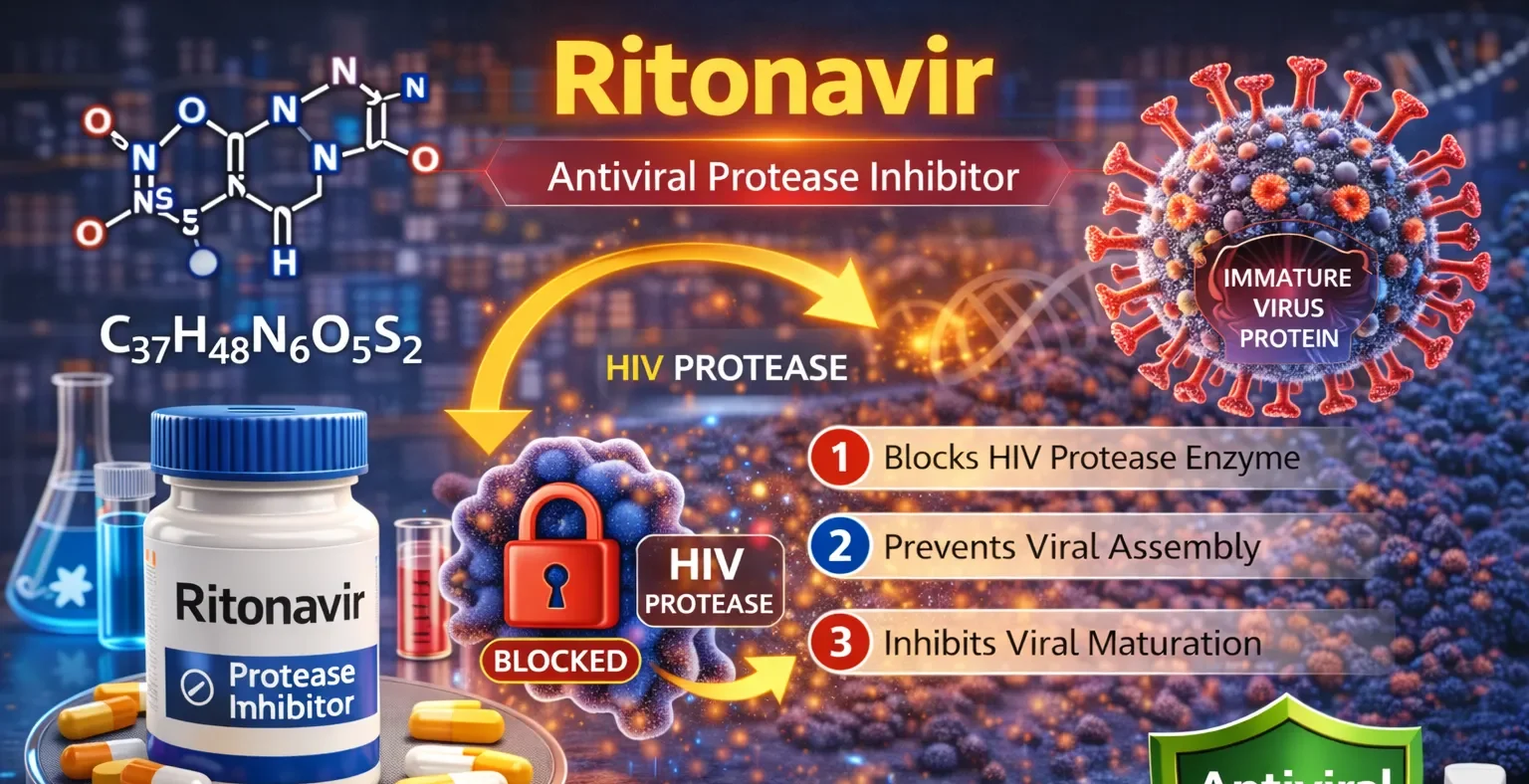
Chemical Structure / Formula of Ritonavir Formula: C₃₇H₄₈N₆O₅S₂ Structure: Peptidomimetic protease inhibitor with a thiazole ring. Mechanism of Action Inhibits HIV protease, preventing viral replication. Strong CYP3A4 inhibitor (boosts levels of other protease inhibitors). Uses of Ritonavir HIV/AIDS therapy (mainly used as a booster for other PIs like Lopinavir). Side Effects GI upset, hepatotoxicity. Hyperlipidemia, … Read more

Indinavir

Indinavir

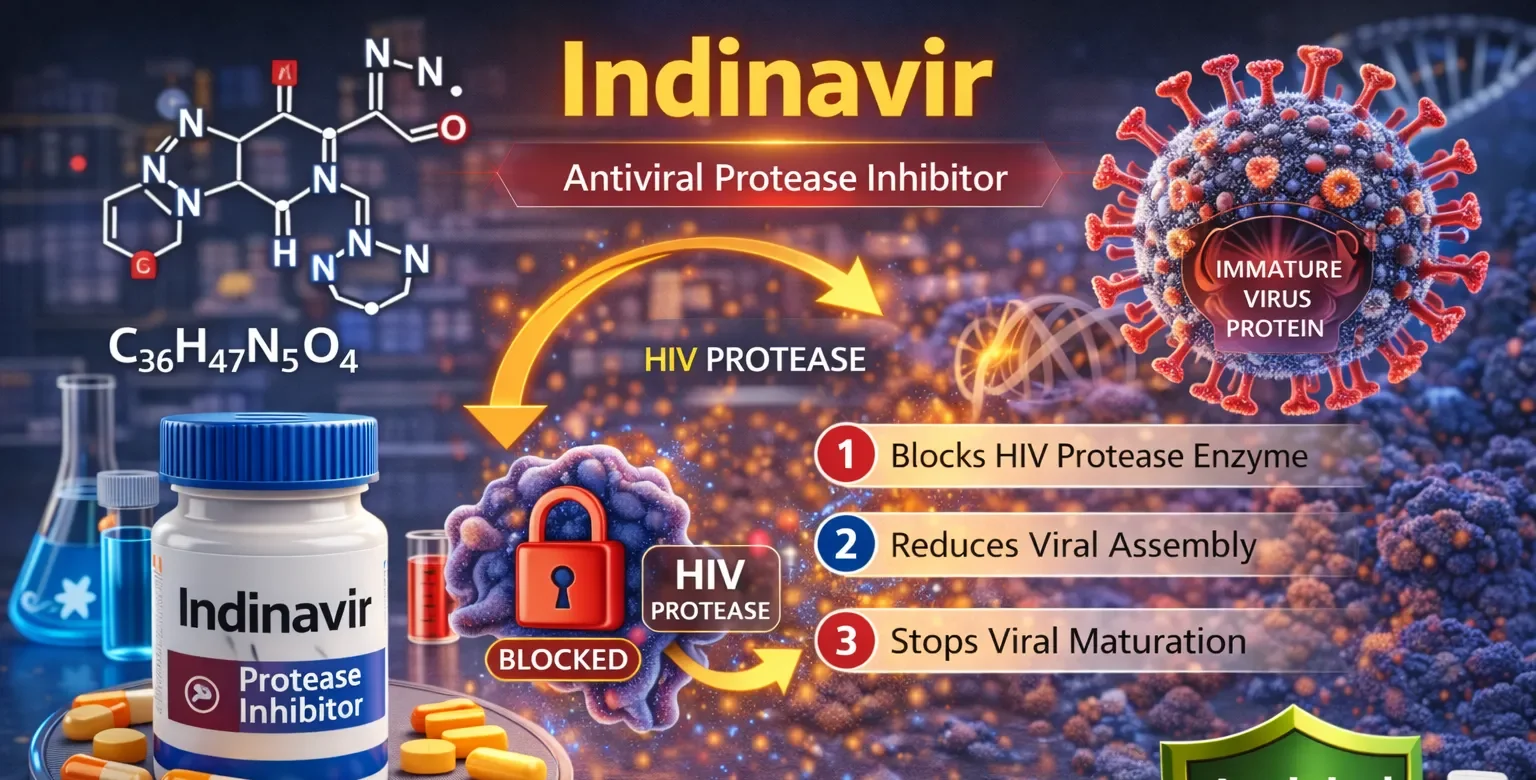
Chemical Structure / Formula of Indinavir Formula: C₃₆H₄₇N₅O₄ Structure: Peptidomimetic protease inhibitor. Mechanism of Action Inhibits HIV protease, preventing viral maturation. Uses of Indinavir HIV/AIDS therapy (HAART regimen, rarely used now). Side Effects Nephrolithiasis (kidney stones, must drink plenty of water). Lipodystrophy, hyperglycemia.

Saquinavir

Saquinavir

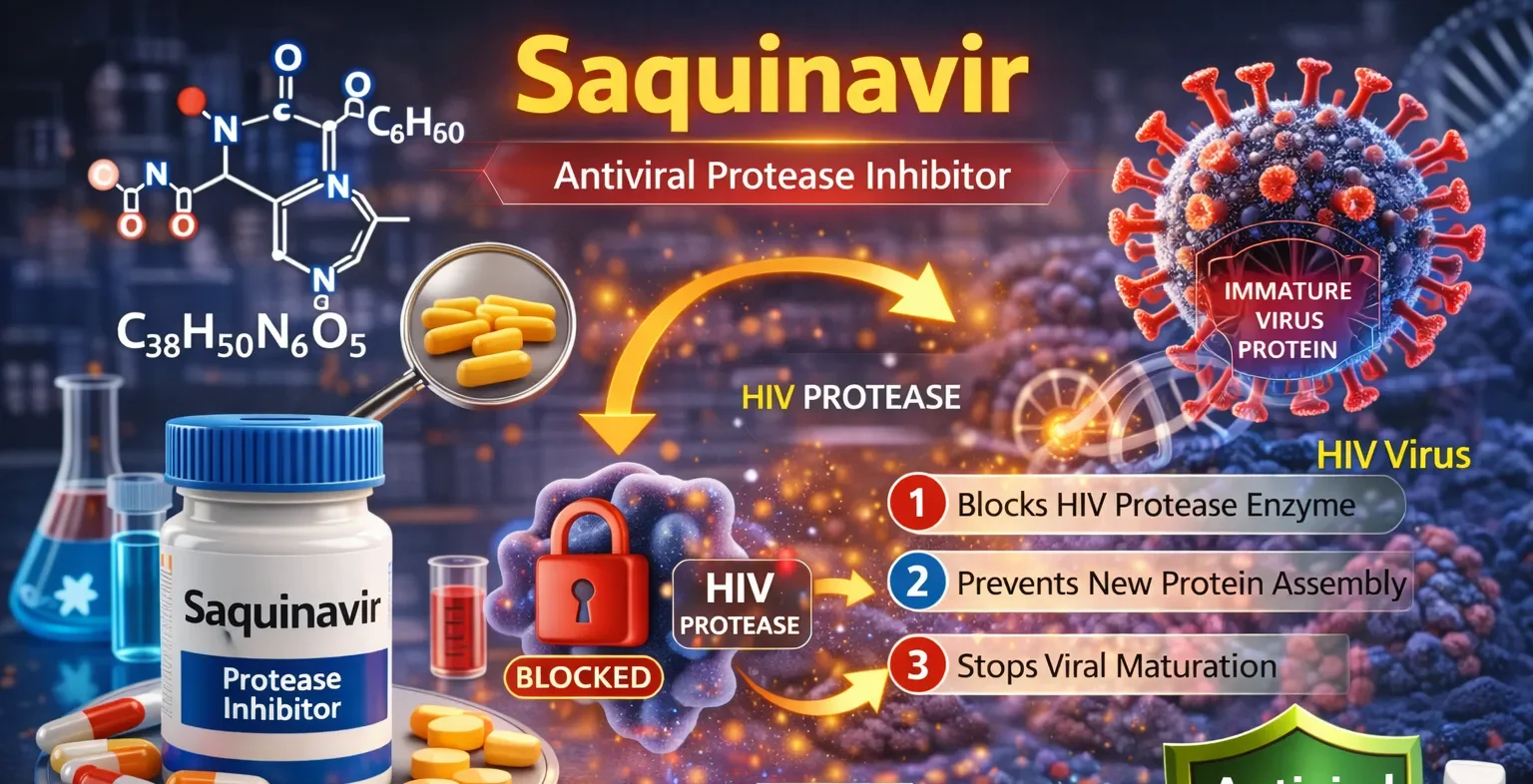
Chemical Structure / Formula of Saquinavir Formula: C₃₈H₅₀N₆O₅ Structure: Peptidomimetic protease inhibitor. Mechanism of Action Inhibits HIV protease, preventing viral protein maturation. Uses of Saquinavir HIV/AIDS therapy (first-generation protease inhibitor, now rarely used). Side Effects GI upset, lipodystrophy, hyperlipidemia. CYP3A4 interactions (drug interactions common).

Ribavirin

Ribavirin

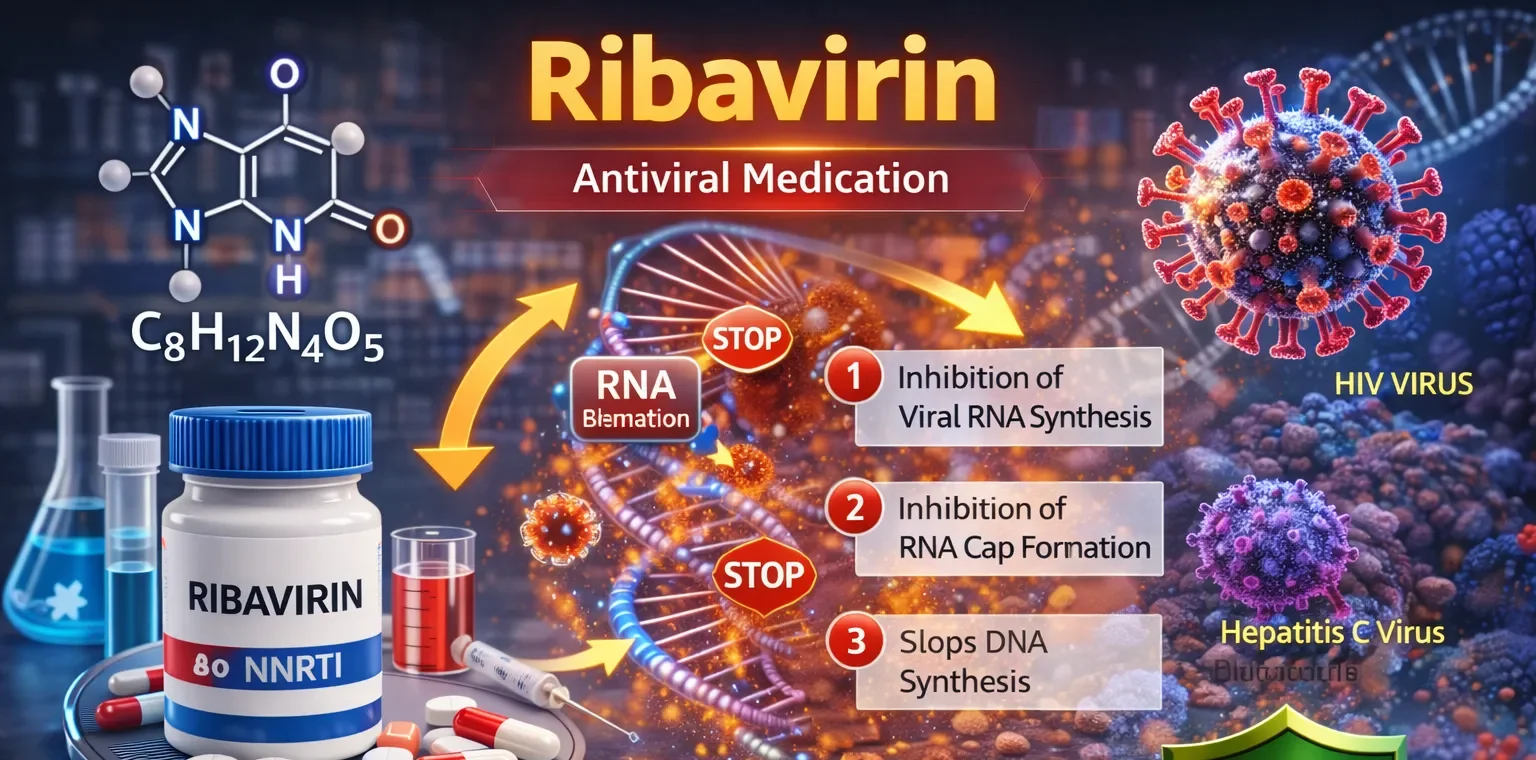
Chemical Structure / Formula of Ribavirin Formula: C₈H₁₂N₄O₅ Structure: A purine analog with a ribose-like sugar. Mechanism of Action Converted into Ribavirin triphosphate, which inhibits RNA polymerase and viral mRNA synthesis. Uses of Ribavirin Hepatitis C (in combination with interferon-alpha). Respiratory syncytial virus (RSV) in severe pediatric cases. Lassa fever, other viral hemorrhagic fevers. Side … Read more

Delavirdine

Delavirdine

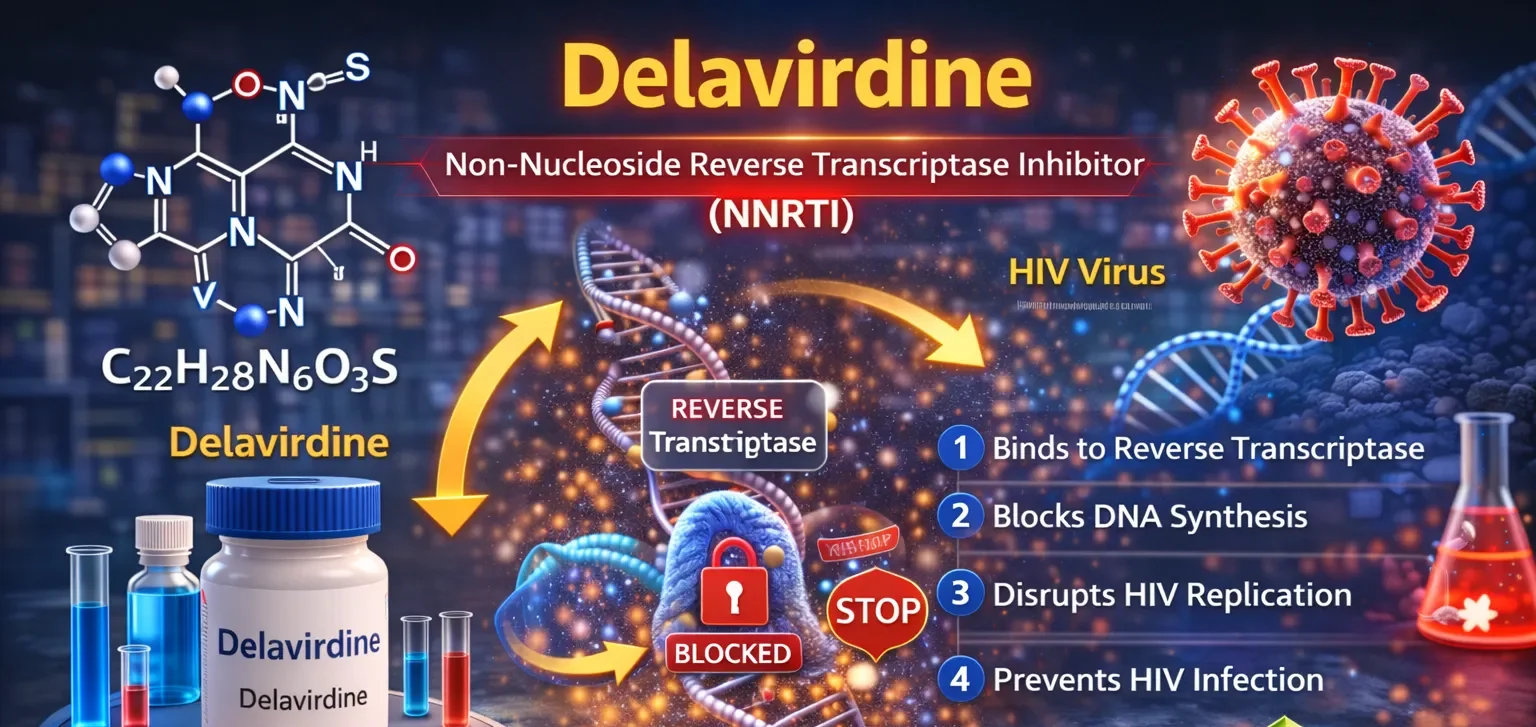
Chemical Structure / Formula of Delavirdine Formula: C₂₂H₂₈N₆O₃ Structure: An NNRTI with a pyridine core. Mechanism of Action Binds directly to HIV-1 reverse transcriptase, preventing DNA synthesis. Uses of Delavirdine HIV/AIDS therapy (HAART regimen, rarely used today). Side Effects Rash, hepatotoxicity. GI upset, headache. Inhibits CYP3A4 (drug interactions).