Amantadine Hydrochloride

Amantadine Hydrochloride
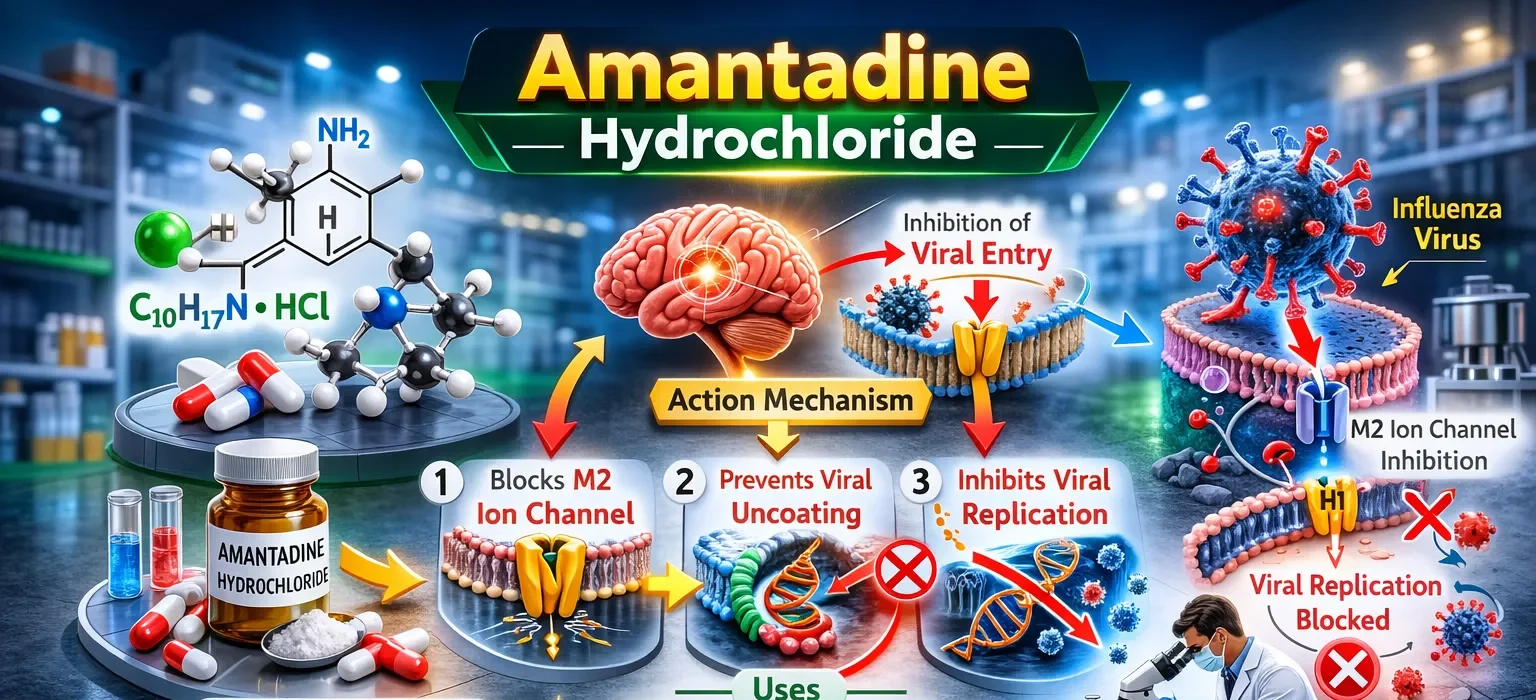
Chemical Structure / Formula of Amantadine Hydrochloride Formula: C₁₀H₁₇N · HCl Structure: Tricyclic amine (adamantane derivative) with a primary amine (-NH2) group. Mechanism of Action Inhibits M2 proton channel of Influenza A virus, preventing viral uncoating and entry into host cells. Also increases dopamine release, which is why it is used in Parkinson’s disease. Uses … Read more

Antiviral Agents

Antiviral Agents

Antiviral agents are medications used to treat viral infections by either inhibiting viral replication or modulating the host’s immune response. These agents can be classified based on their target viruses or mode of action. Classification of Antiviral Agents 1. Influenza A Virus Inhibitors These agents inhibit viral replication by blocking the M2 protein, an ion … Read more

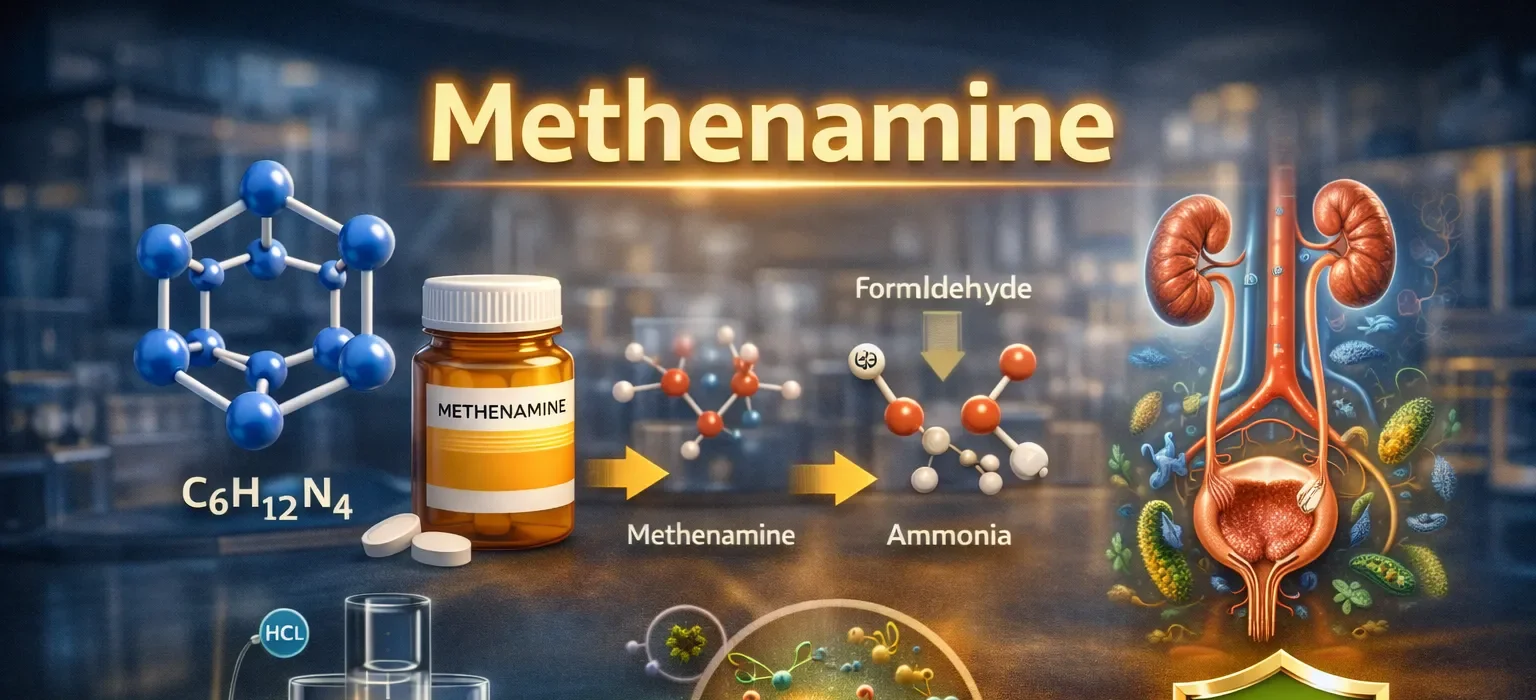
Methenamine

Methenamine

Chemical Structure / Formula of Methenamine Formula: C₆H₁₂N₄ Structure: A hexamethylenetetramine compound that breaks down in acidic urine. Mechanism of Action Converted into formaldehyde in acidic urine (pH <5.5). Formaldehyde is bactericidal, disrupting bacterial proteins and DNA. Uses of Methenamine Prophylaxis and suppression of recurrent UTIs. Not effective for active infections (requires acidic urine for … Read more

Nitrofurantoin

Nitrofurantoin

Chemical Structure / Formula of Nitrofurantoin Formula: C₈H₆N₄O₅ Structure: A nitrofuran derivative with a hydantoin ring. Mechanism of Action Prodrug that is reduced by bacterial nitroreductases to reactive metabolites. These metabolites damage bacterial DNA, ribosomes, and proteins, leading to cell death. Uses of Nitrofurantoin Uncomplicated UTIs (first-line therapy for cystitis). Effective against E. coli, Enterococcus, … Read more

Furazolidine

Furazolidine

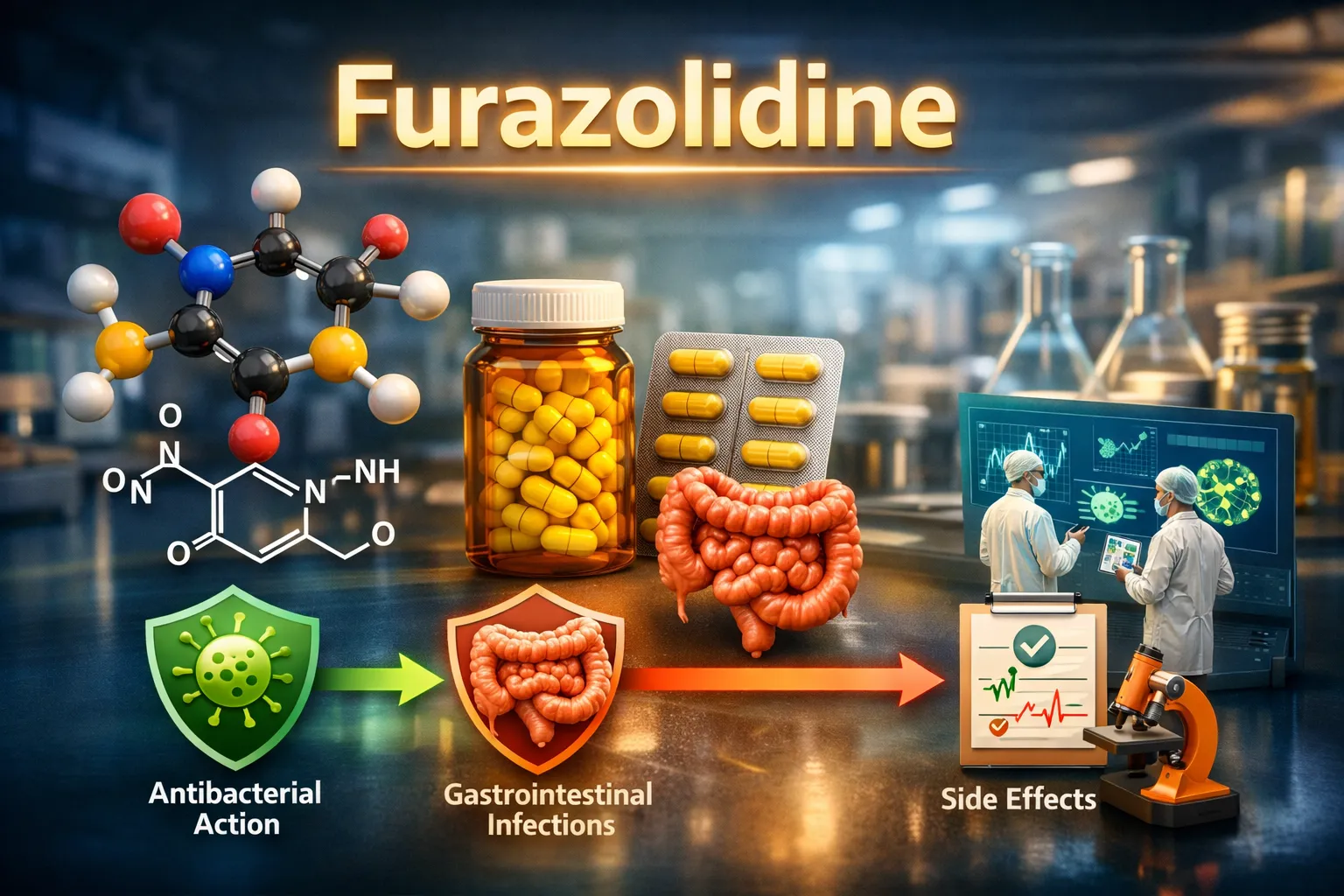
Chemical Structure / Formula of Furazolidine Formula: C₈H₇N₃O₅ Structure: Nitrofuran derivative with an oxazolidinone ring. Mechanism of Action Prodrug activated by bacterial nitroreductases, generating reactive oxygen species (ROS). These radicals damage bacterial DNA, proteins, and cell membranes, leading to cell death. Uses of Furazolidine UTIs caused by Gram-positive and Gram-negative bacteria. Giardiasis, cholera, and enteric … Read more

Moxifloxacin

Moxifloxacin

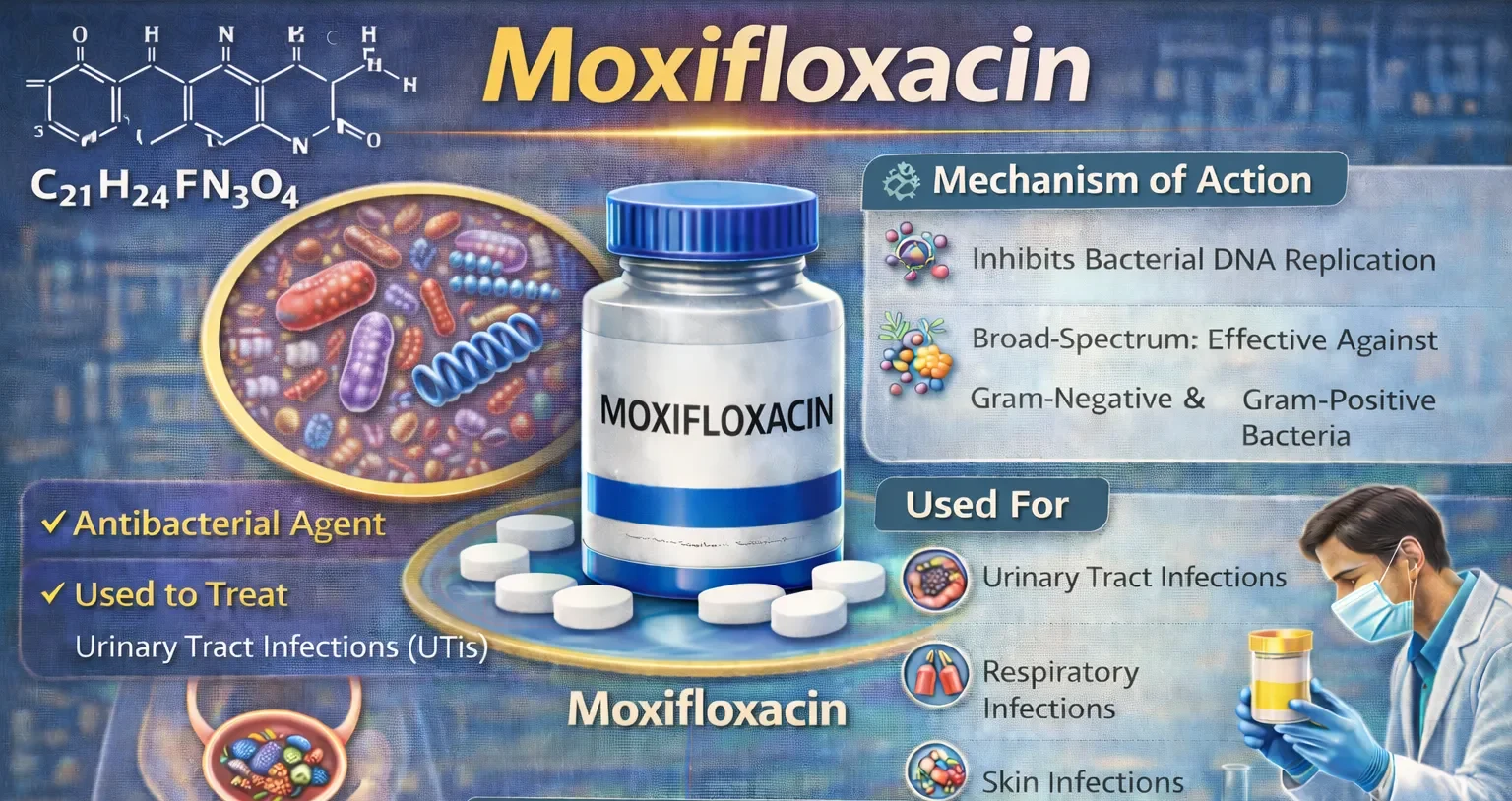
Chemical Structure / Formula of Moxifloxacin Formula: C₂₁H₂₄FN₃O₄ Structure: A methoxyquinolone with a C8-methoxy (-OCH₃) group, increasing anaerobic activity. Mechanism of Action Inhibits DNA gyrase and topoisomerase IV, leading to bacterial DNA damage. Uses of Moxifloxacin Respiratory tract infections (pneumonia, bronchitis). UTIs and skin infections. Effective against anaerobic bacteria. Side Effects QT prolongation (more than … Read more

Gatifloxacin

Gatifloxacin

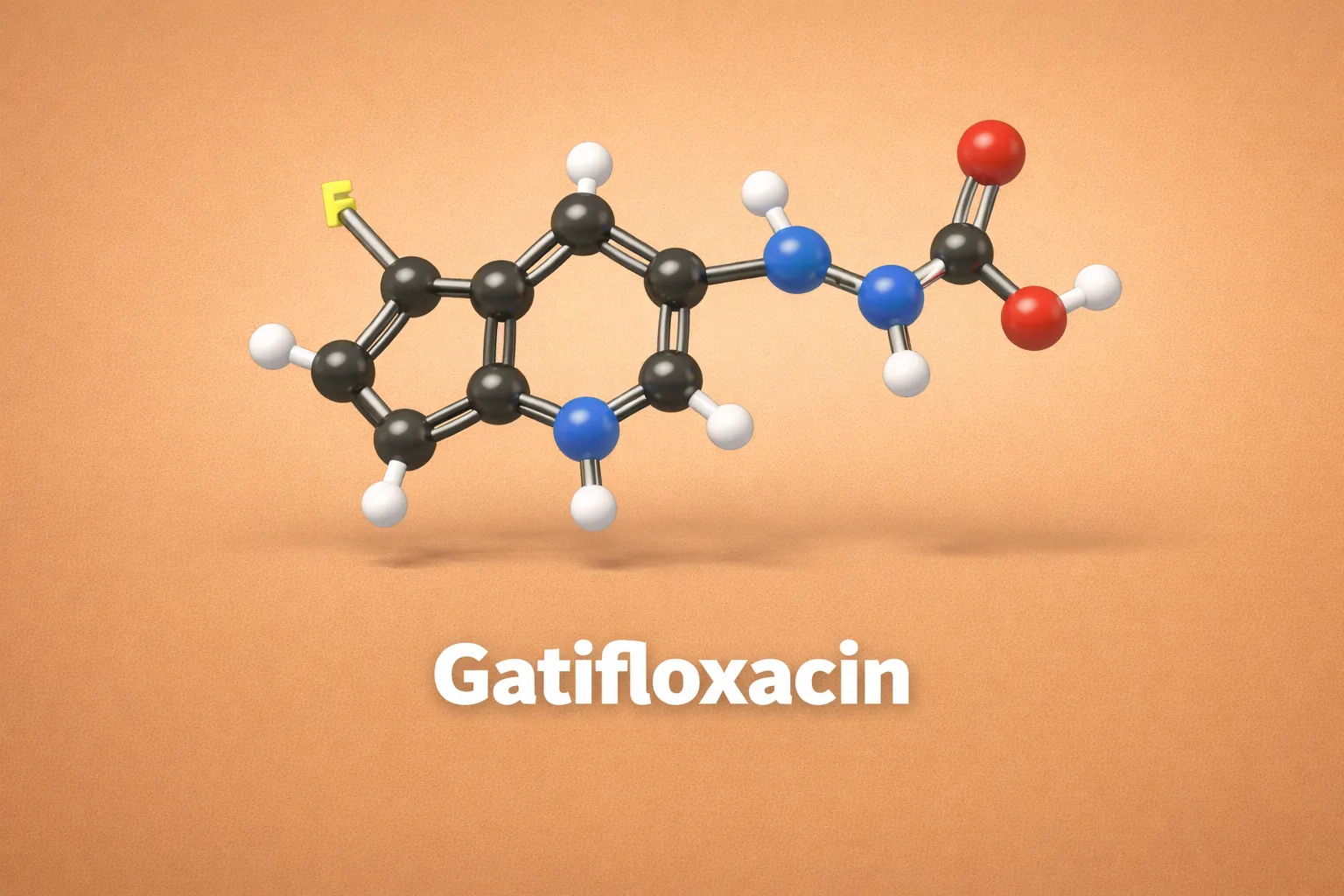
Chemical Structure / Formula of Gatifloxacin Formula: C₁₉H₂₂FN₃O₄ Structure: A fluoroquinolone with a methoxy (-OCH₃) group at C8. Mechanism of Action Inhibits DNA gyrase and topoisomerase IV, disrupting bacterial DNA replication. Uses of Gatifloxacin Respiratory and urinary tract infections. Ophthalmic infections (available as eye drops). Side Effects Dysglycemia (hyper- or hypoglycemia, especially in diabetics). QT … Read more

Sparfloxacin

Sparfloxacin

Chemical Structure / Formula of Sparfloxacin Formula: C₁₉H₂₂F₂N₄O₃ Structure: Contains a difluorinated quinolone core with a piperazinyl group at C7. Mechanism of Action Inhibits DNA gyrase and topoisomerase IV, leading to bacterial death. Uses of Sparfloxacin Respiratory and urinary tract infections. Used for atypical pneumonia and bronchitis. Side Effects Severe QT prolongation (more than ciprofloxacin). … Read more

Lomefloxacin

Lomefloxacin

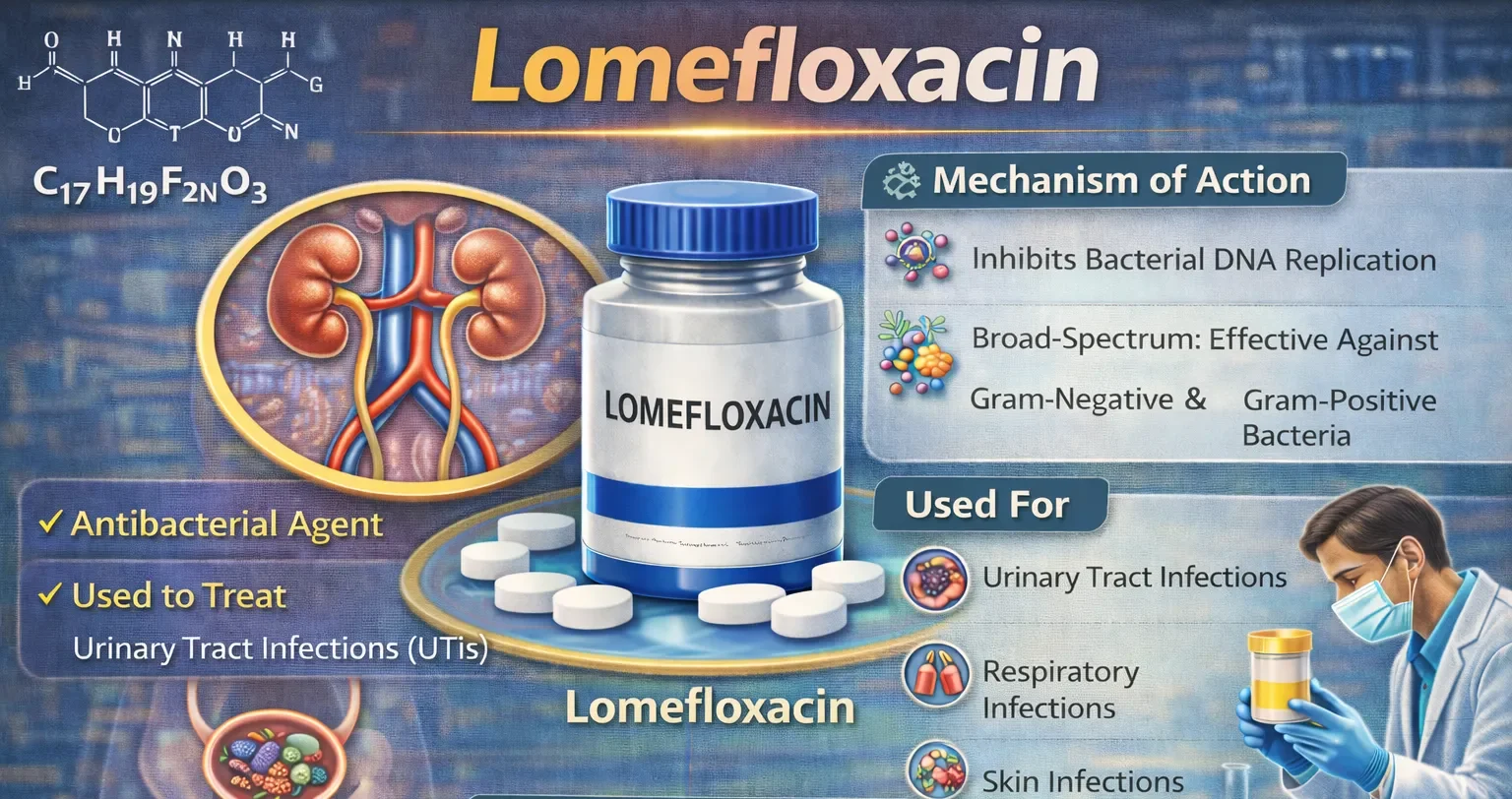
Chemical Structure / Formula of Lomefloxacin Formula: C₁₇H₁₉F₂N₃O₃ Structure: A difluorinated quinolone with a piperazine ring at C7. Mechanism of Action Inhibits DNA gyrase and topoisomerase IV, preventing bacterial replication. Uses of Lomefloxacin UTIs, prostatitis, and respiratory infections. Less commonly used due to higher risk of photosensitivity. Side Effects Severe photosensitivity (more than other fluoroquinolones). … Read more

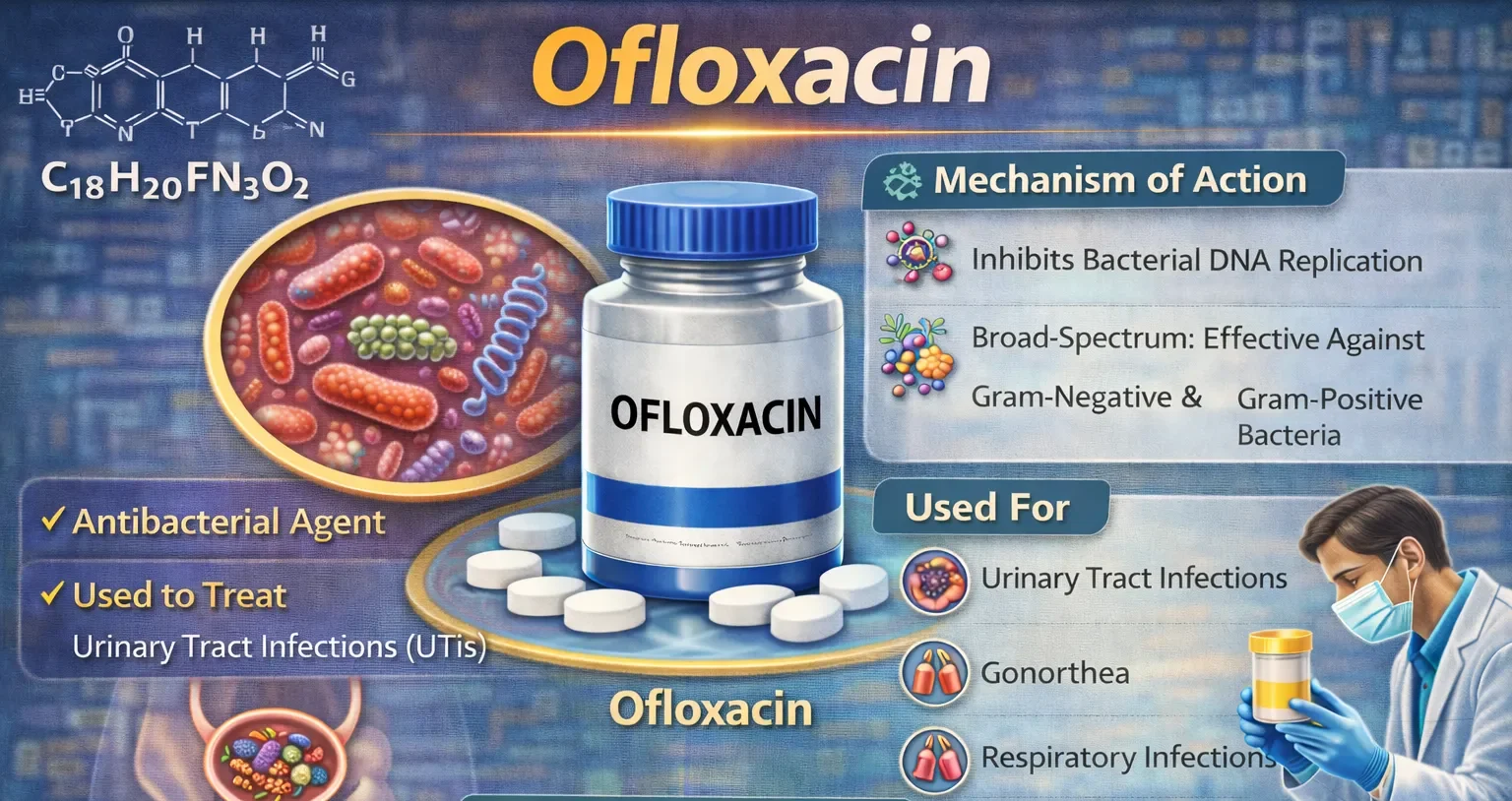
Ofloxacin

Ofloxacin

Chemical Structure / Formula of Ofloxacin Formula: C₁₈H₂₀FN₃O₄ Structure: A fluorinated quinolone with an oxazine ring (unlike other fluoroquinolones). Mechanism of Action Inhibits DNA gyrase (topoisomerase II) and topoisomerase IV, leading to bacterial DNA fragmentation. Uses of Ofloxacin Complicated and uncomplicated UTIs. Prostatitis, pneumonia, and chlamydial infections. Alternative for multidrug-resistant TB (MDR-TB). Side Effects CNS … Read more