Good Laboratory Practices (GLP)

Good Laboratory Practices (GLP)

Good Laboratory Practices (GLP) are guidelines ensuring the quality, consistency, and integrity of laboratory studies. They help maintain accurate, traceable, and auditable data. Objectives of GLP Ensure the quality and integrity of non-clinical studies for regulatory submissions. Conduct studies in a systematic, well-documented manner. Generate reliable, accurate, and reproducible data. Promote standard operating procedures (SOPs). … Read more
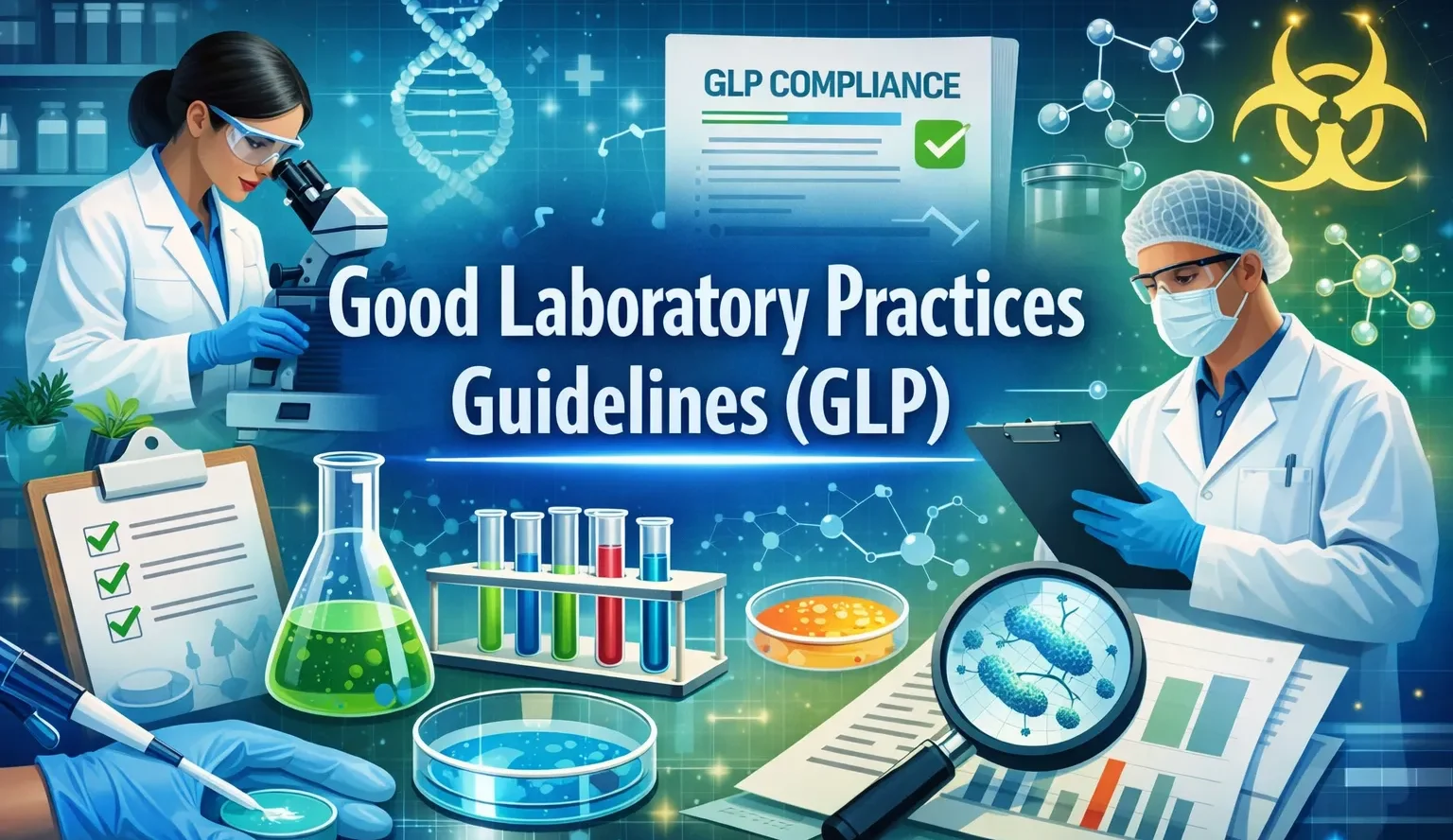
Good Laboratory Practices Guidelines (GLP)

Good Laboratory Practices Guidelines (GLP)

Good Laboratory Practices (GLP) are a set of guidelines and regulations that establish the standards for conducting nonclinical laboratory studies. These studies support the safety and efficacy evaluation of regulated products, such as drugs, biologics, and medical devices. General Provisions GLP regulations apply to all nonclinical laboratory studies that support or are intended to support … Read more

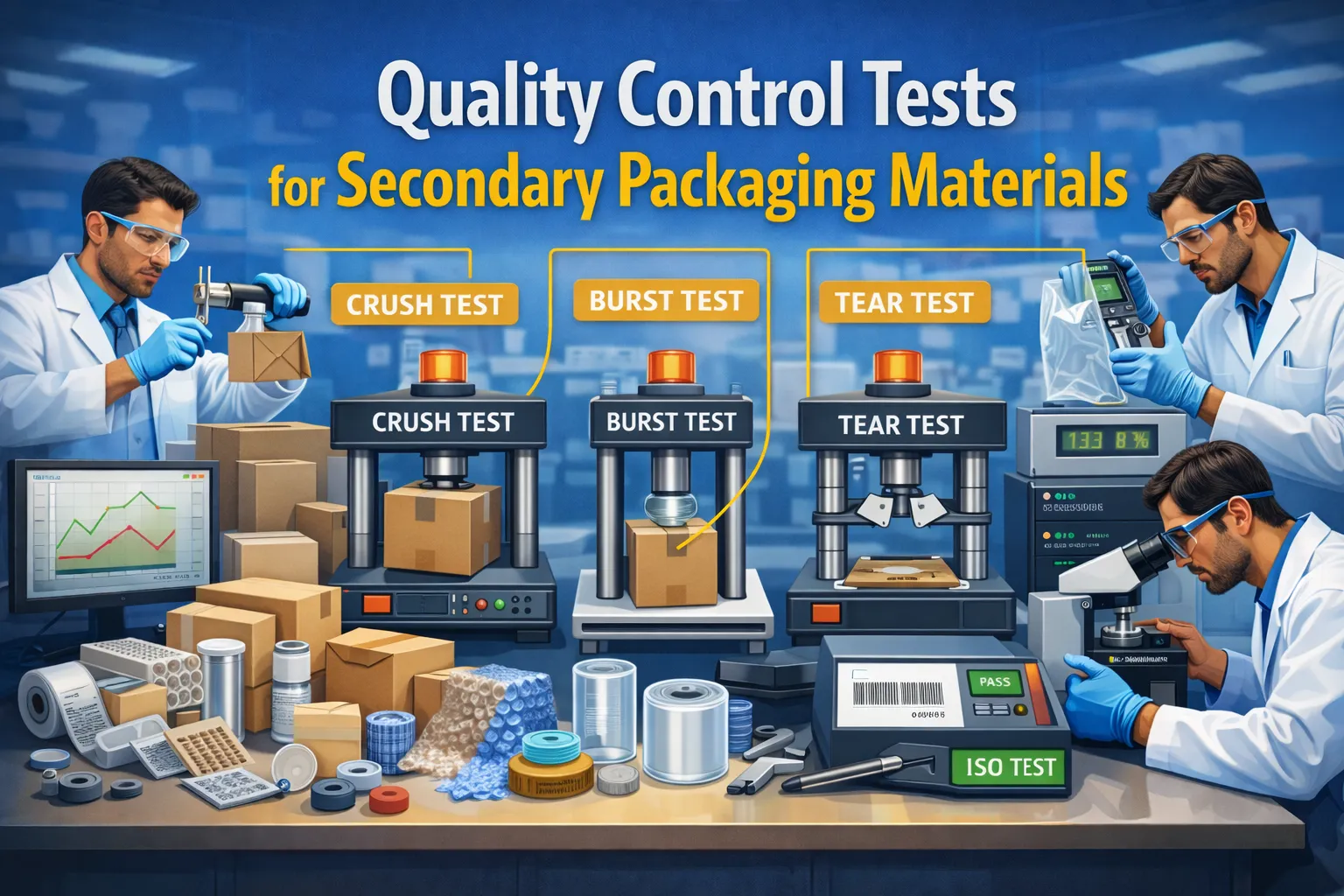
Quality Control Tests for Secondary Packaging Materials

Quality Control Tests for Secondary Packaging Materials

Quality Control Tests for Secondary Packaging Materials explain tests and standards ensuring protection and quality in pharmaceuticals. Quality Control Tests for Secondary Packaging Materials Secondary packaging includes components such as boxes, cartons, labels, and leaflets. While these materials do not directly contact the drug product, they play a crucial role in ensuring information clarity, protection, … Read more

Quality Control Tests for Rubber Closures

Quality Control Tests for Rubber Closures

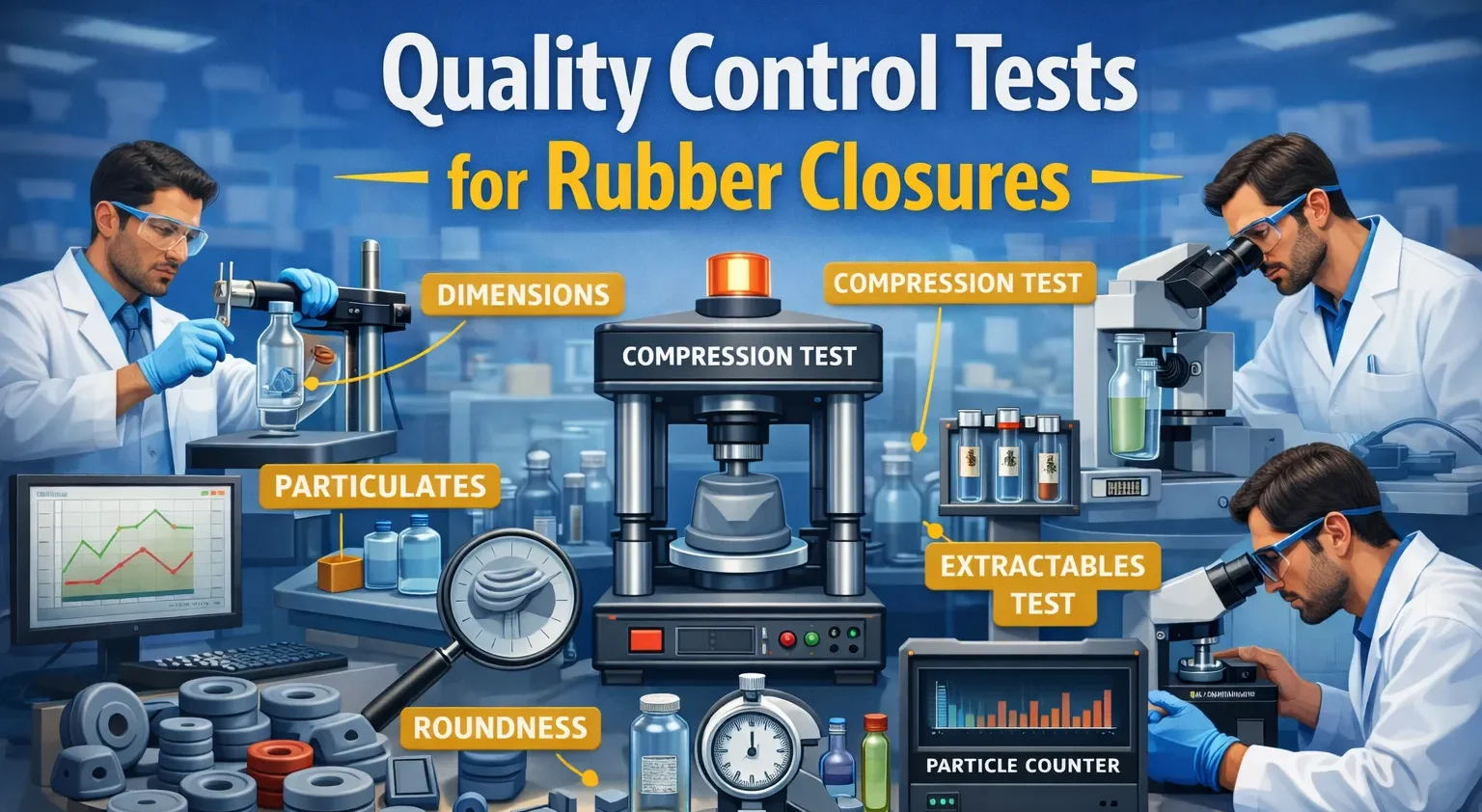
Quality Control Tests for Rubber Closures explain tests and standards ensuring safety and quality in pharmaceutical packaging. Rubber closures (stoppers) are critical for vials, bottles, and infusion bags, particularly for injectable and sterile products. They must maintain a tight seal, resist coring, and not introduce contaminants. Types of Rubber Closures Natural Rubber: Has good elasticity … Read more

Quality Control Parameters for Plastic Containers

Quality Control Parameters for Plastic Containers

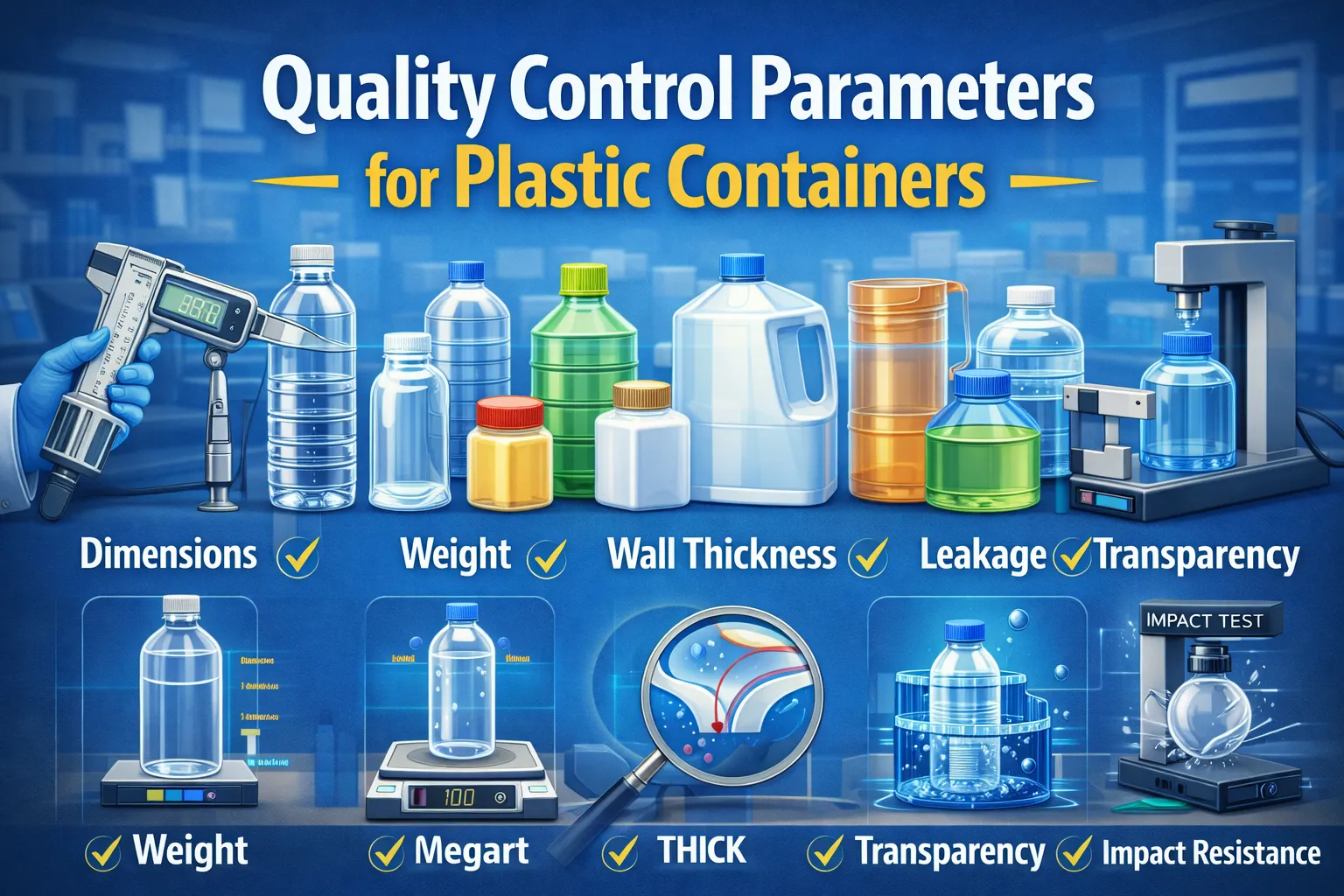
Quality Control Parameters for Plastic Containers explain tests and standards ensuring safety and quality in pharmaceutical packaging. Quality Control Parameters for Plastic Containers Physicochemical Tests (Extractables/Leachables) Determines if chemical constituents (e.g., additives, plasticizers) migrate from the plastic into the product. Involves exposing the plastic to stress conditions such as solvents, heat, or agitation. Analyzed using … Read more

Quality Control Parameters for Glass Containers

Quality Control Parameters for Glass Containers

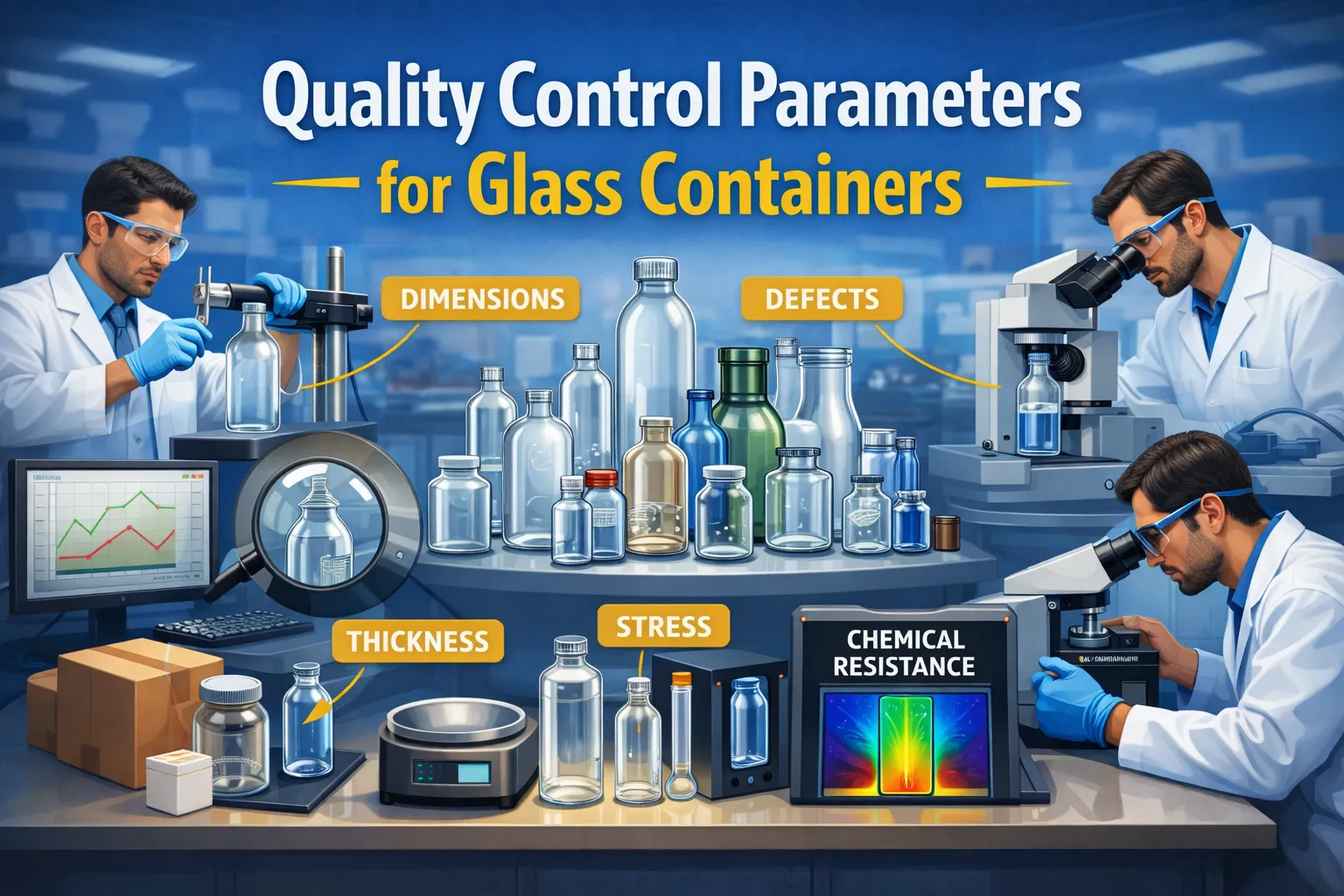
Types of glass container Here is the types of glass containers used in the pharmaceutical industry: Glass Type Name Chemical Resistance Common Pharmaceutical Applications Type I Borosilicate Glass Highest Injectable products, parenteral preparations, sensitive drugs Type II Treated Soda-Lime Glass High (Treated) Acidic or neutral injectables, infusions Type III Regular Soda-Lime Glass Moderate Oral liquids, … Read more

Quality Control Tests for Containers

Quality Control Tests for Containers

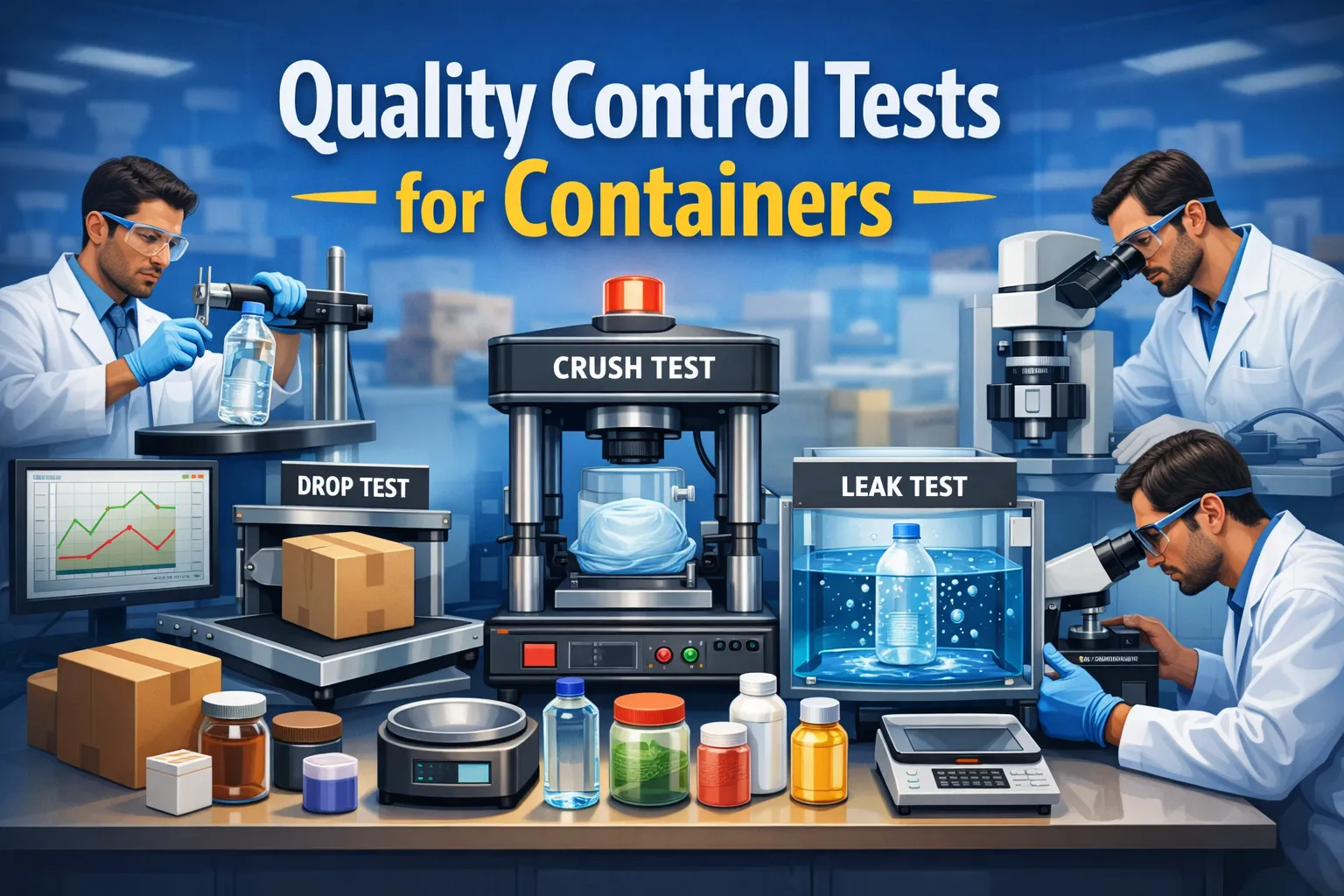
Quality Control Tests for Containers explain evaluation methods parameters and importance of packaging quality in pharmaceutical products. Quality Control Tests for Containers Containers are primary packaging materials directly in contact with pharmaceutical formulations. They must be inert, safe, robust, chemically compatible, and impermeable to ensure drug stability. Types of Containers Glass Containers (Ampoules, Vials, Bottles) … Read more

Polymerase Chain Reaction (PCR)

Polymerase Chain Reaction (PCR)

Polymerase Chain Reaction (PCR) is a widely used molecular biology technique that enables the amplification of a specific DNA fragment from a complex mixture of DNA. It was developed in the 1980s by Kary Mullis and has since become an essential tool in biological research, medical diagnostics, and forensic analysis. Why is PCR Important? PCR … Read more

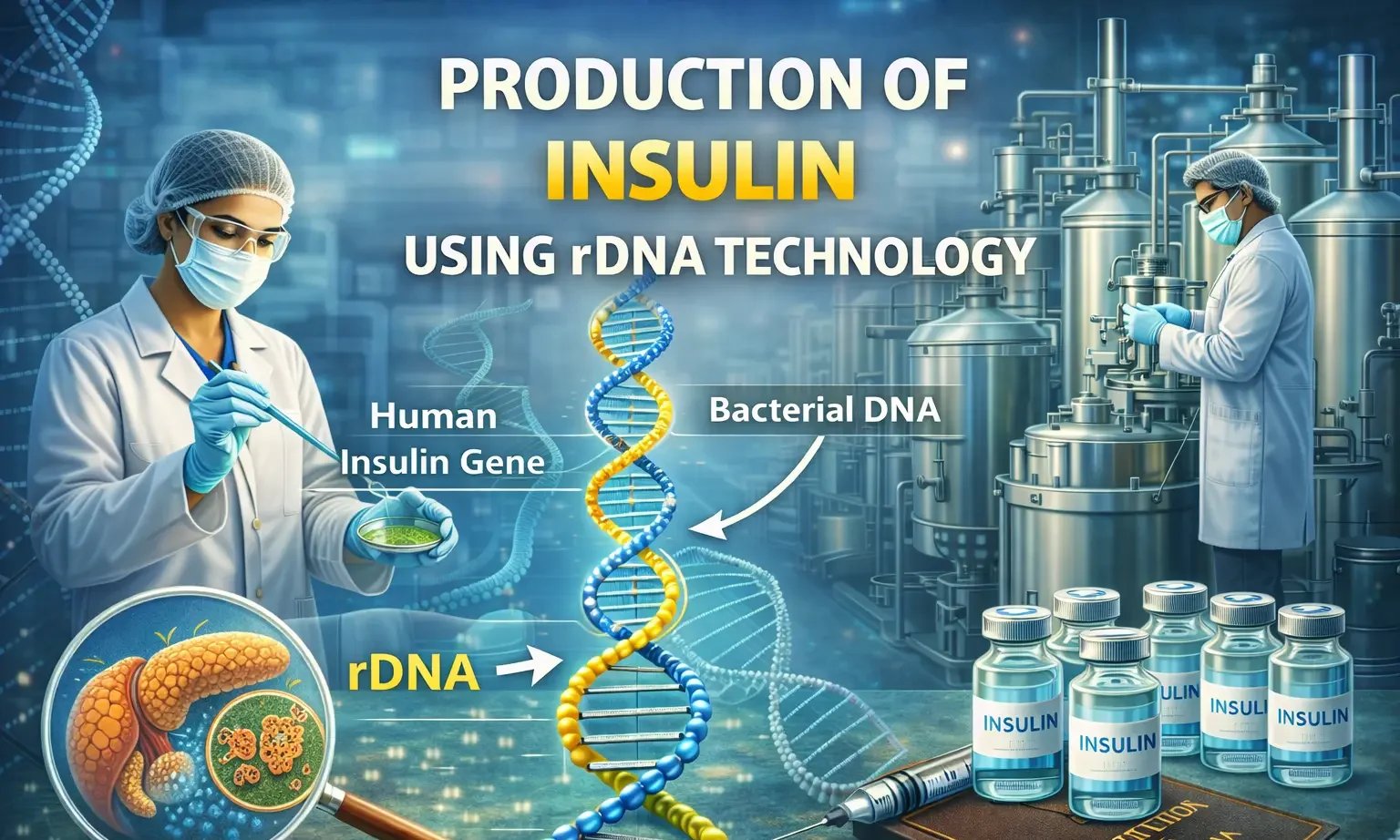
Production of Insulin Using rDNA Technology

Production of Insulin Using rDNA Technology

Production of Insulin Using rDNA Technology Production of Insulin Using rDNA Technology explains recombinant DNA steps expression systems and insulin manufacturing process. What is Insulin? Insulin is a hormone produced by the pancreas that regulates blood sugar levels. Deficiency of insulin leads to diabetes mellitus, requiring external insulin injections. Why Use Recombinant DNA Technology for … Read more

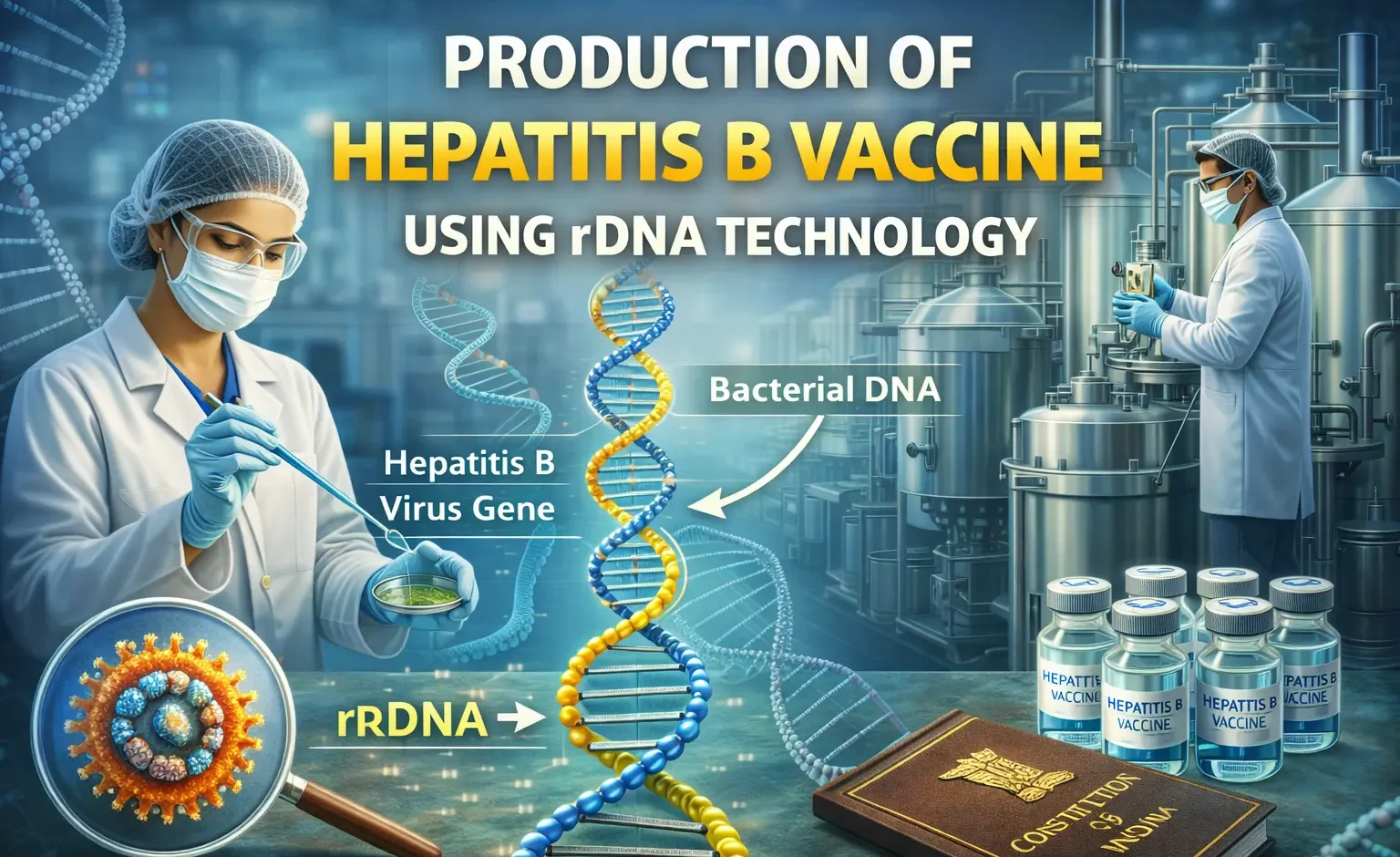
Production of Hepatitis B Vaccine Using rDNA Technology

Production of Hepatitis B Vaccine Using rDNA Technology

Production of Hepatitis B Vaccine Using rDNA Technology explains recombinant DNA steps expression systems and vaccine manufacturing process. What is Hepatitis B? Hepatitis B is a viral infection caused by the Hepatitis B virus (HBV) that affects the liver, leading to cirrhosis and liver cancer. The best prevention method is vaccination. Why Use Recombinant DNA … Read more